
Our purpose / Social responsibility
Stronger foundations.
More room to grow.
Supporting the conditions in which Ghana’s grassroots game can grow, with the people who know it best.
Ghanaian talent. Lasting careers.
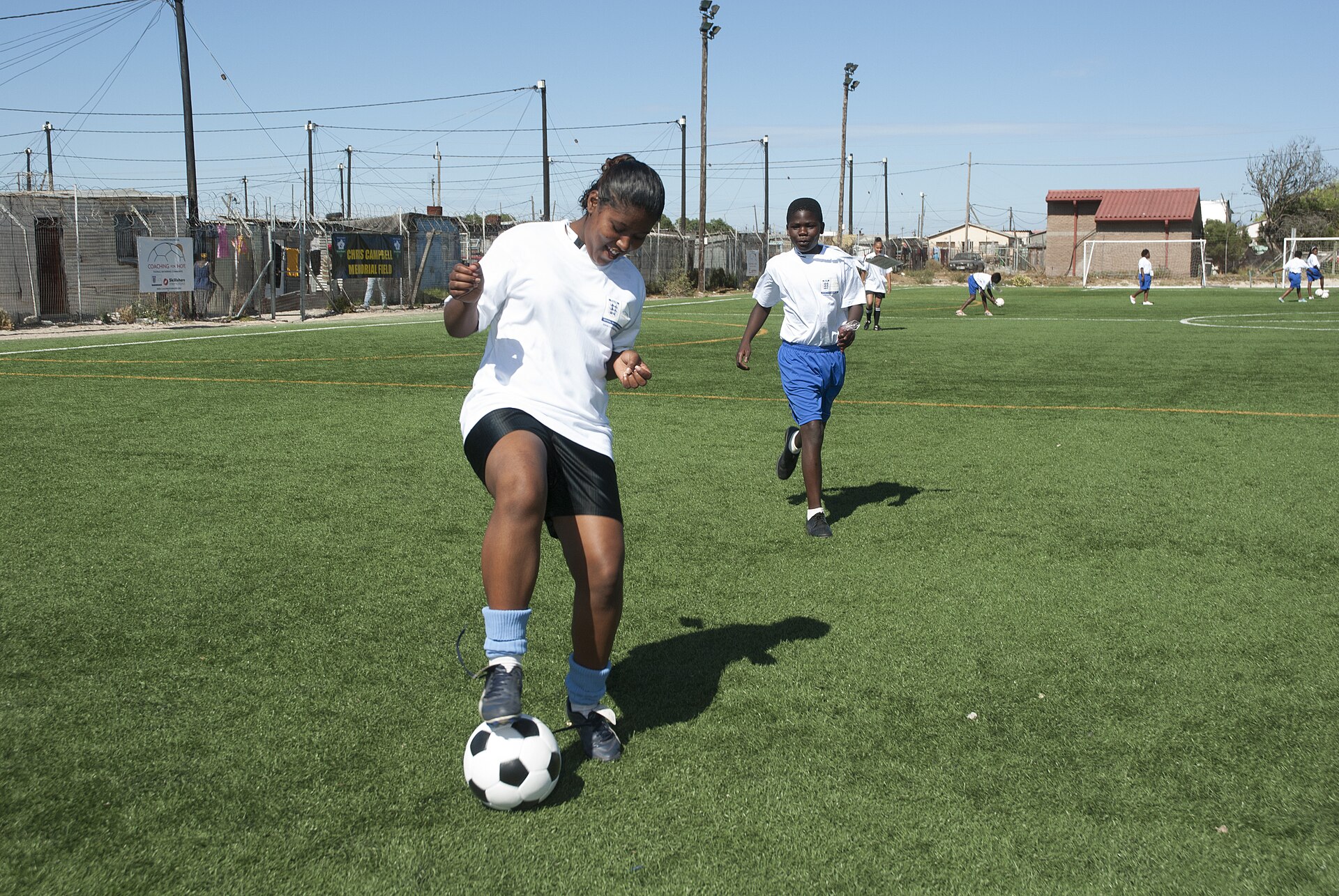
The game begins
long before a transfer.
A place to train. A coach who has time to teach. Education that continues alongside football. These foundations matter whether a young person becomes a professional or plays for the love of the game.
We help build the environments and learning culture in which Ghanaian players and coaches can develop their abilities, pursue meaningful careers, and prepare for opportunities at home and internationally.
Coaches, families, schools, and community organisations should help decide what is needed. Opportunity includes a future within Ghana, as well as pathways elsewhere.
Coaches carry the game forward
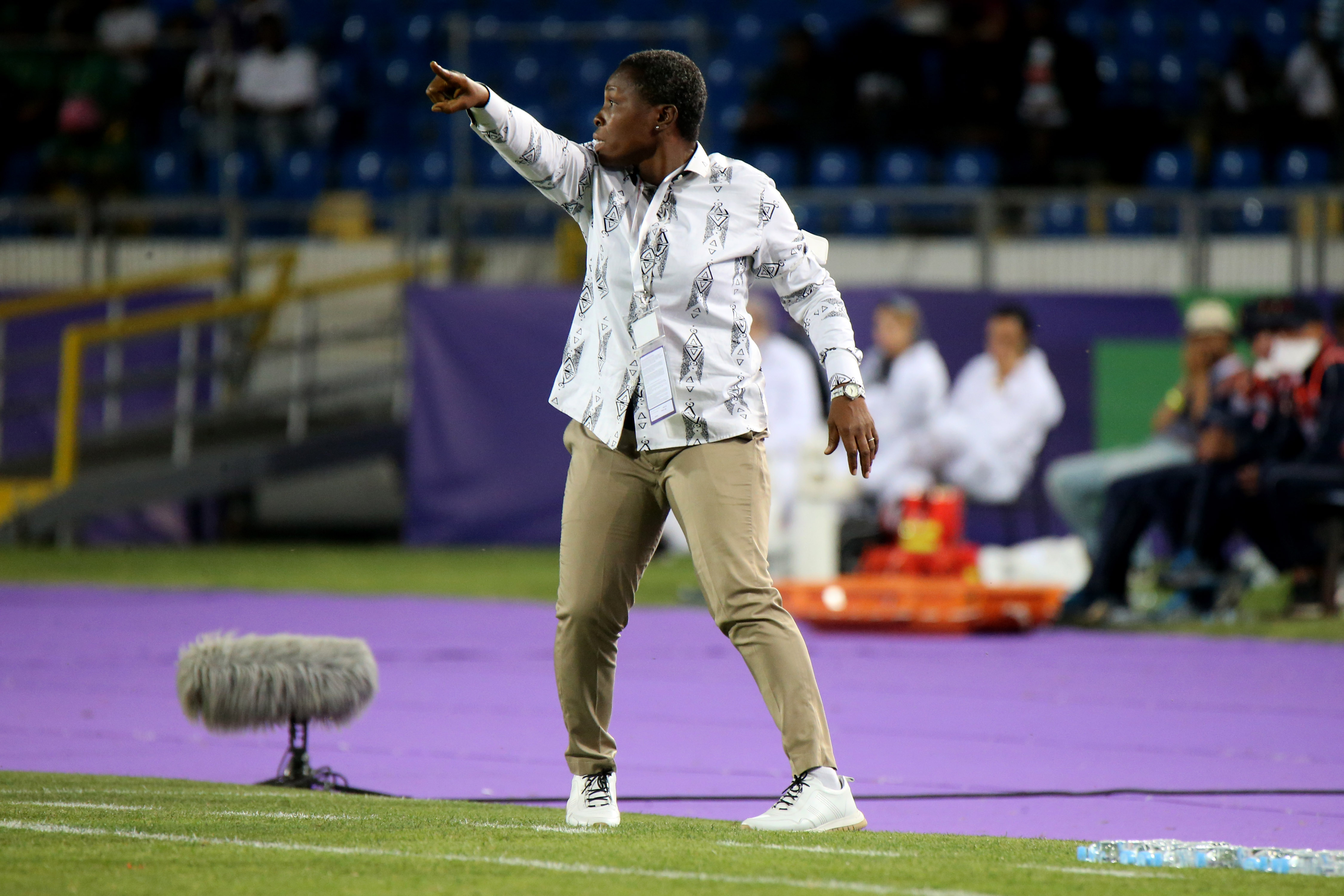
African coaches.
A contribution beyond borders.
African coaches deserve opportunities to develop their craft and contribute internationally, across clubs, academies, and communities as well as national teams. Coach development is part of our wider football purpose.
Our coach-development partnerships connect mentoring, session observation, and feedback from players and peers with practical learning goals. Learning to interpret match footage and performance data helps coaches make informed decisions about training, tactics, and player development. Coaches help shape the work around their experience, the needs of young players, and the environments in which they coach.
For African coaches moving to the Nordics, development also means finding their place in a new culture and club environment. Our support connects cultural orientation, mentoring, and practical settling-in support so they can contribute with confidence and focus on their work.
Each collaboration defines its learning goals, resources, and delivery partners together. Formal coaching qualifications follow the pathways of relevant football associations and recognised training providers.
Discuss a coach-development partnership ↗- 01 / ObserveReview a receiving action
Watch the scan, body position, and next pass.
- 02 / TeachChange the practice
Add pressure and a supporting teammate.
- 03 / ReflectReview the next attempt
Ask what the player saw and compare the response.
A proposed coaching cycle. Each observation informs the next practice.
Coach development / Our approach
The craft behind
the game.
- 01
Observe with care
Understand the player, the context, and what they need to learn.
- 02
Teach with purpose
Connect practice to clear learning goals, with welfare and participation at the centre.
- 03
Reflect together
Exchange ideas with other coaches and let players’ experiences inform the next session.
Our coaching ambition connects observation, purposeful practice, and shared reflection.
Our community priorities
Places to play
Training pitches, suitable equipment, practical logistics, and maintenance plans that keep facilities useful.
Education and welfare
School participation, safeguarding responsibilities, and support for development beyond football.
Local ownership
Projects shaped with local coaches and organisations, with clear responsibilities and access for the intended community.
Accountable support
Agree needs before collecting resources. Report what reaches a project and how it is used. Donor-supported kit donations may form part of that work.
Resources that last
Plan maintenance, repair, and responsible purchasing alongside pitch access. Consider water, energy, waste, and the local environment before choosing facilities or equipment. Explore our sustainable football approach
How we work
Local needs, clear responsibilities, and accountable use of resources guide project planning. We share confirmed projects and outcomes as the work progresses.
Human rights / Before opportunity
Opportunity must never come
at the cost of safety.
A football ambition does not diminish anyone’s rights. Children’s welfare, education, and informed choices must come before sporting or commercial interests.
No to racismNo to corruptionNo to exploitation
These standards guide our relationships and project planning. Each project needs named safeguarding responsibilities, local referral arrangements, and a clear way to raise concerns before delivery.
Human trafficking and exploitation
No false promises of contracts, coercion, or withholding passports. Verify opportunities and the people offering them before travel or payments; explain costs, arrangements, and the right to decline. Football should never become a route into debt, abandonment, or forced labour.
Children’s safety and voice
Put children’s best interests first. Plan safe supervision, appropriate screening and training, family involvement, and age-appropriate ways for children to be heard. Education and welfare must continue alongside football; a child’s image or story needs careful protection.
Equal opportunity and access
Include women and girls in the design of opportunities for players and coaches. Address barriers linked to disability, cost, language, and location, and reject discrimination based on race, religion, gender, or sexual orientation. Ask participants what enables their involvement.
Fair work and responsible partners
Respect workers’ rights in coaching, recruitment, facilities, and equipment supply. Set clear roles, fair terms, and safe working conditions; assess partners for forced labour, exploitative child labour, and recruitment practices. Our fair-recruitment approach should follow the ILO principle that workers do not bear recruitment fees.
Concerns need a route to action
If someone is in immediate danger, contact the local emergency services. For a child-protection concern, contact the relevant local child-protection authority or a qualified safeguarding organisation. FIFA’s integrity reporting guidance concerns matters within its remit, including match manipulation; it does not replace local protection services.
For a concern about FootliteCo’s conduct or a proposed collaboration, use our contact route to request a conversation. Please do not send sensitive case details, identity documents, or information about a child in an initial message. This website is not an emergency or confidential reporting service. We will not penalise anyone for raising a concern in good faith.
Raise a concern with FootliteCoBefore a project starts, we will agree how risks are assessed, concerns are referred, and responsibilities are reviewed with participants and partners. Community benefit should be reported alongside resources used, barriers to participation, and what needs to change, without exposing anyone’s private information.
Our approach draws on official human rights, safeguarding, and fair recruitment resources.